The Story
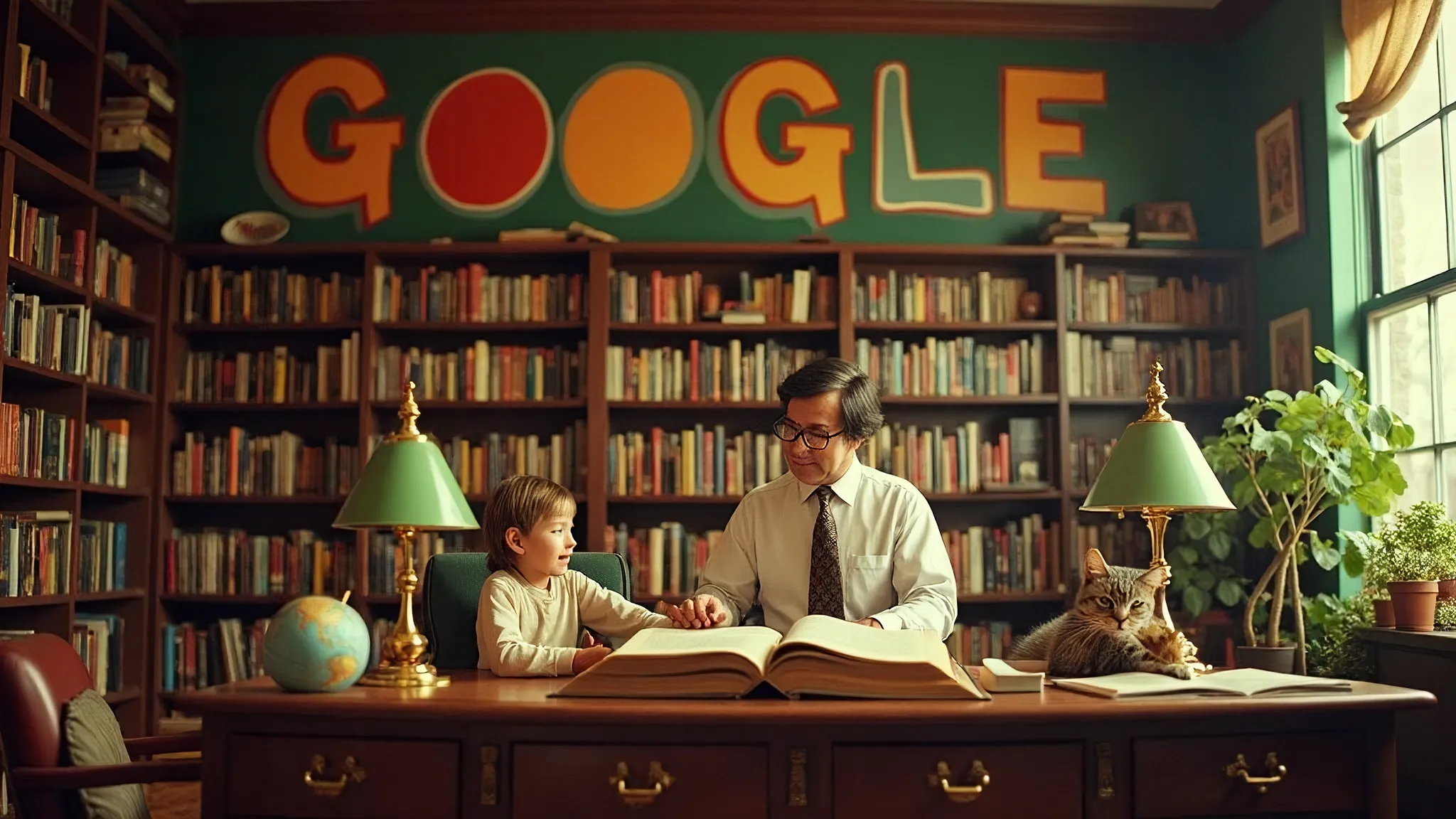
You push through the glass doors of the Reference Bureau and breathe in the particular smell of card stock and stamp ink, watching two bearded grad students hunched over their wooden catalog drawers like cartographers protecting ancient maps. Their system is impossibly fast,you describe what you're looking for, and within minutes one of them produces a manila folder thick with cross-referenced index cards, each one a small act of curation, while the other insists their alphabetization method could organize the entire Library of Congress if anyone would just listen. The fluorescent panels hum overhead, casting everything in that cool institutional light, and you realize that what you're holding isn't a list of results but something far more human: a librarian's considered answer to your question, handwritten and arranged with the kind of care that only comes from believing that finding information is sacred work.
Visual Details
The towering card catalogues and CRT terminals together show Google as a system that organizes human knowledge rather than replaces it; they're both machines that make information findable, which is the actual job Google does. Pairing 1970s librarian tools with Google's primary colours argues that search isn't magic or artificial intelligence; it's orderly, methodical cataloguing that just happens to work at scale.
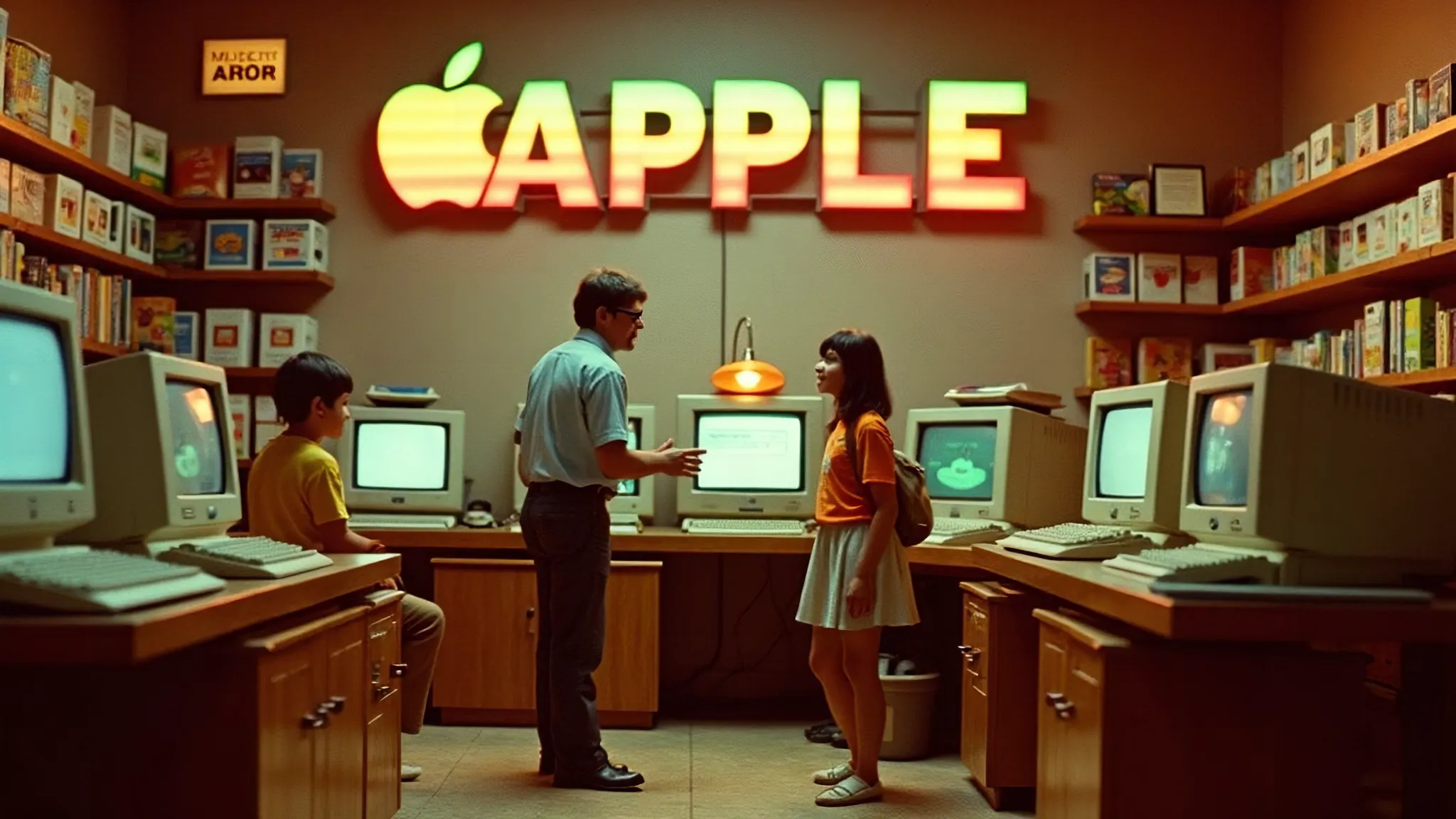


The world's search engine as a reference library. Staffed by two grad students who keep insisting their card index is better.
About the MRA Score →